Heart failure: what it is and how it is treated
Heart failure is not a single diagnosis but a clinical syndrome. Why it develops, how it is recognised, and the four pillars...
How atherosclerosis narrows the coronary arteries, how the chronic form differs from the acute one, and what the methods of diagnosis and treatment are.
Coronary artery disease is the leading cause of illness and death worldwide. Behind the medical name lies disease of the coronary arteries — the vessels that supply the heart muscle itself with blood and oxygen. According to the guidelines of the European Society of Cardiology (ESC), it is a dynamic and progressive process that calls for timely diagnosis and comprehensive treatment.
Coronary artery disease is a condition in which there is a mismatch between the oxygen needs of the heart muscle (myocardium) and the ability of the coronary arteries to deliver it.
The heart is a muscular pump that works around the clock. To contract properly it needs a constant supply of oxygen and nutrients, delivered by the main coronary arteries.
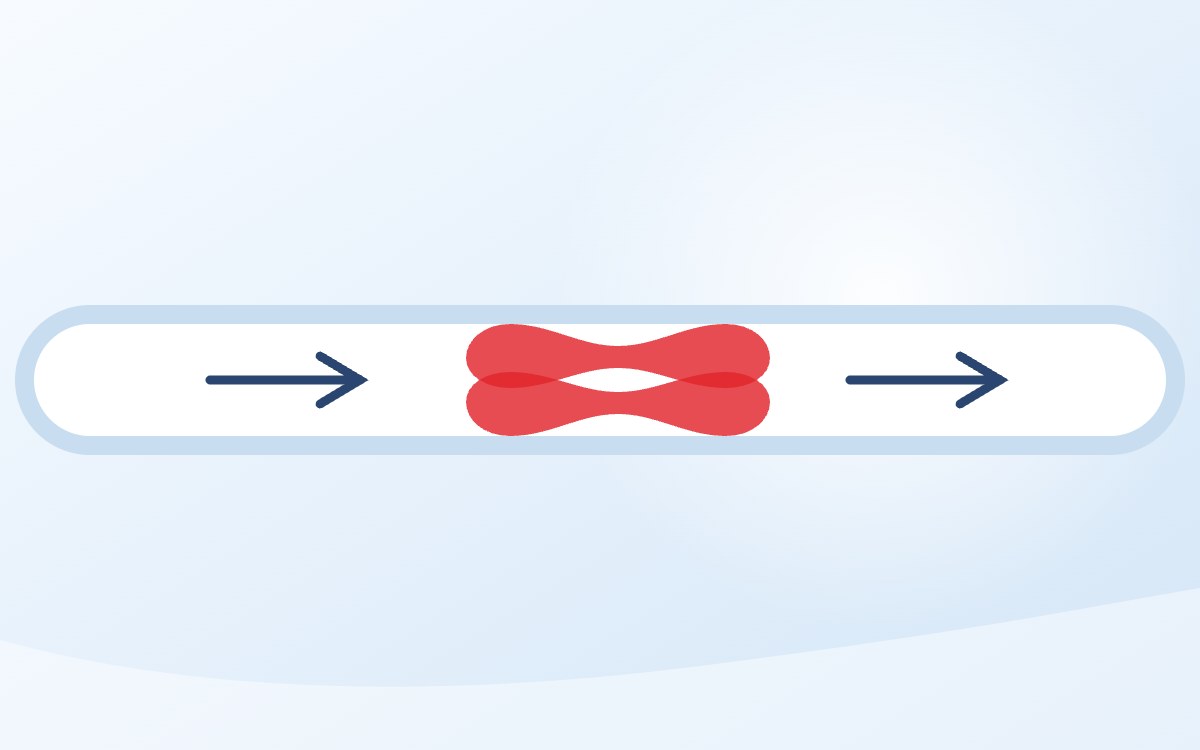
When atherosclerotic plaques — deposits of cholesterol, calcium and inflammatory cells — build up in those arteries, the vessel narrows. During physical or emotional exertion the heart beats faster and needs more blood, but the narrowed artery cannot supply it. The heart muscle begins to “starve” of oxygen (ischaemia), and the body signals this as pain or tightness in the chest.
Atherosclerosis in the coronary vessels develops over years of accumulated risk factors that damage the inner lining of the vessel wall (the endothelium).
The inside of a healthy artery is smooth. Harmful habits and uncontrolled coexisting conditions make that surface rough and vulnerable. Cholesterol is deposited easily on the damaged areas, chronic inflammation develops and an atherosclerotic plaque forms. If the plaque ruptures, its interior is no longer covered by the layer of endothelial cells and comes into direct contact with the blood — as with any injury. Within seconds a thrombus (blood clot) forms on it and closes the vessel. This is the immediate mechanism of acute myocardial infarction, known in medicine as acute coronary syndrome.
In diabetes, persistently high blood glucose is toxic to the vessel walls (diabetic angiopathy). Atherosclerosis in people with diabetes develops earlier, affects more vessels and runs a more severe course.
Very important: because of diabetic polyneuropathy — damage to the nerve endings — people with diabetes often do NOT feel the typical chest pain of ischaemia. A heart attack may be “silent”, showing itself only as sudden breathlessness, weakness or nausea.
Excess LDL cholesterol — the “bad” cholesterol — passes directly beneath the endothelium of the arteries, where it is oxidised and forms the core of the atherosclerotic plaque. Without medical control, plaques grow and progressively narrow the vessel.
High blood pressure creates mechanical stress and micro-tears in the vessels, making it easier for cholesterol to enter. It also causes the heart muscle to thicken, which further increases its oxygen demand.
Coronary artery disease presents in two main clinical forms:
Symptoms vary with the form of the disease:
The diagnostic process follows clearly defined steps:
The cardiologist takes a detailed history, assessing the character of the pain and the risk factors, and performs a physical examination.
An essential first test. In acute infarction it shows specific changes — ST segment elevation or depression, and T wave changes.
Assesses the anatomy, the valves and the contractile function of the heart. It helps detect areas of reduced contraction (hypokinesia) corresponding to a narrowed or blocked artery.
Used to detect ischaemia while the heart is working under load:
Treatment may be medical, interventional or surgical.
Under ESC recommendations, the choice of treatment strategy in stable patients must go through thorough discussion between the cardiologist, the cardiac surgeon and the patient — what is known as informed choice. The only exception is an emergency, life-threatening situation — for example massive infarction or cardiogenic shock — where the patient is unconscious and an immediate life-saving procedure is carried out.
Used in all patients, to slow the disease and relieve symptoms:
Under local anaesthetic, a catheter is advanced to the narrowed segment and a balloon widens it, after which a drug-eluting stent (DES) is placed to keep the vessel open. In other cases the functional significance of the narrowing is assessed first, to judge whether a stent is needed at all or whether balloon dilatation alone will suffice.
When coronary atherosclerosis is too widespread across all the coronary vessels, stenting is not the best or most durable solution for chronic symptoms. Cardiac surgery is then used to create a bypass — a vein taken from the leg, or an artery from the chest or arm, used to build a detour around the blocked segment.
The choice between stenting and bypass surgery rests on established criteria. Only some are listed here.
NOTE: they may be present in combination or on their own.
A bypass provides a completely new source of blood supply to the heart muscle, despite the narrowings. One particularly important point: bypass surgery gives patients the chance to survive a future heart attack in their own arteries that would have been fatal without the grafts. Because the new grafts feed the heart beyond the infarcted area, they protect the myocardium from complete necrosis.
In summary for the patient: Coronary artery disease is serious but entirely controllable. Early detection through routine review with a cardiologist, and modern treatment to ESC standards, allow patients to keep a high quality of life for years to come.
This is an English translation. The Bulgarian original is the authoritative text.
Important: This article is for educational purposes and does not replace a consultation with a doctor. If you have symptoms, seek medical advice.
Heart failure is not a single diagnosis but a clinical syndrome. Why it develops, how it is recognised, and the four pillars...
High blood pressure rarely hurts, and that is exactly what makes it dangerous. The ESC classification, the causes, the organs at risk...
A single reading is not a diagnosis. The protocol for correct measurement, when ambulatory monitoring is needed, and which tests and specialists...